How Slow Entertainment Sparks Better Creative Play
Young children often carry the pace of what they watch into the minutes that follow.
A calm story may lead to block building, drawing or pretend cooking, while a rapid stream of sounds and scene changes can make independent play feel unusually slow.
Choosing gentler entertainment and creating a simple transition afterwards can help children turn screen time into ideas they can explore with their hands.
Contents
Why Play Stalls After High Stimulus Screens
Fast-paced shows can place heavy demands on a young child’s attention. Quick cuts, frequent sound effects and constant movement provide a steady flow of new information.
When the program ends, a quiet room and a box of toys may offer too little immediate feedback, so a child might complain of boredom or ask for another episode.
Try adding a five-minute transition after viewing. Offer a snack, stretch together or talk about one thing that happened in the story.
Then place a few open-ended materials nearby, such as blocks, paper or toy figures. This short pause gives the child time to adjust to a calmer pace before starting independent play.
The Link Between Pacing and Imagination
Gentle storytelling leaves room for children to notice expressions, predict what might happen and consider how a character feels.
Those small mental pauses can later become material for creative play. A child may rebuild a character’s house with cushions or invent a new ending with stuffed animals.
This matters because pretend play for children supports flexible thinking and gives kids a safe way to explore emotions and everyday situations.
After a slow story, ask one inviting question such as, “What could they make next?” Avoid quizzing for correct answers. Imagination grows when children can take the story in an unexpected direction.
What to Look for in Toddler Programming
Preview a few minutes before putting on a new show. Look for clear dialogue, manageable conflicts and scenes that stay on screen long enough for a toddler to understand what’s happening.
Repetition can be helpful too, especially when a character repeats a song, routine or simple problem-solving step.
A data-based guide to toddler programming can help you compare shows by stimulation level and find options suited to children ages 2 to 5.
Once you choose a program, watch how your child responds afterward.
Easy transitions and spontaneous story-inspired play are useful signs. Irritability, frantic movement or repeated demands for more may suggest that the pace is too intense.
Inspiring DIY Projects From Gentle Stories
Turn one detail from a favorite story into a low-pressure craft. If characters visit a garden, make paper flowers from cupcake liners and drinking straws.
A story about a neighborhood can inspire a cardboard town made from snack boxes. Keep the setup small so the project feels inviting instead of becoming another complicated activity.
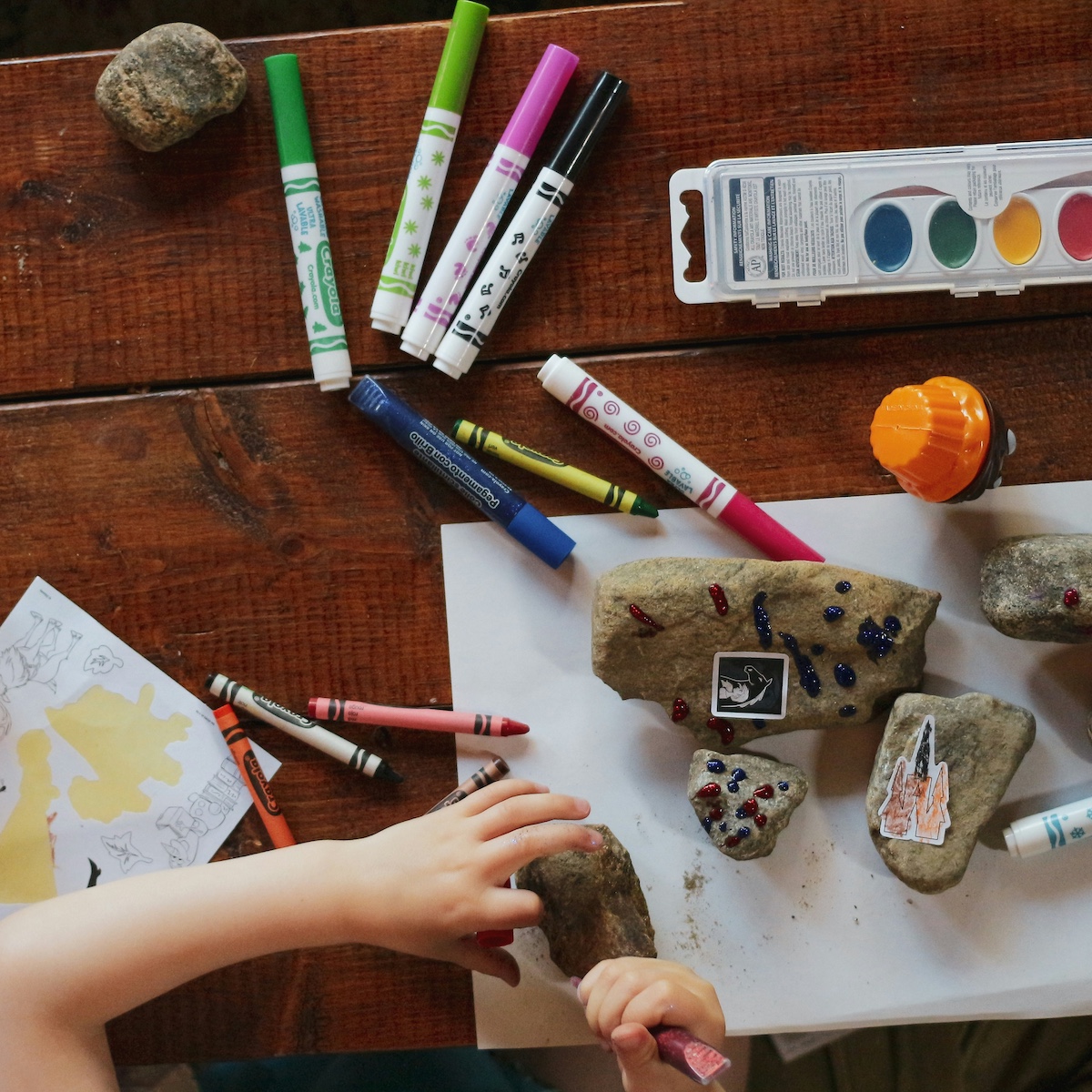
Children benefit most when they control the finished result. Offer tape, washable markers and a few recycled materials, then let them decide what each piece represents. The value of creative and imaginative play comes from experimenting, making choices and working through small problems. A lopsided cardboard bridge may spark more play than a polished adult-made model.
Build a Culture of Curiosity at Home
Create an easy-to-reach creativity basket with paper, crayons, painter’s tape and clean recyclables.
Rotate a few items every week so the basket feels fresh without filling the room with supplies.
You can also leave one shelf or corner open for projects that continue across several days.
Use everyday conversation to keep curiosity going. Ask what a character might pack for a picnic or how a paper boat could stay dry.
If your child changes the subject, follow the new idea. Shared attention matters more than steering play toward a planned result.
The next time a gentle story ends, leave one simple prop nearby, perhaps a blanket from the story’s campsite or a box ready to become its bus.
That small invitation may be all a child needs to carry the story off the screen and into an afternoon of original play.