Fun Activities to Boost Your Dog’s Confidence
A shy dog can become more comfortable through short, positive activities that turn everyday situations into safe learning opportunities.
Progress may look small at first, such as approaching a new object or recovering quickly after an unfamiliar sound. Those moments matter.
Keep each activity easy enough for your dog to succeed, reward calm curiosity and stop before stress builds.
These confidence-building activities can help you create a simple routine based on play, trust and gradual exposure.
Contents
Why Confidence Matters
Confidence helps a dog cope with visitors, household noises, grooming and changes in routine.
A nervous dog may freeze, hide, bark or avoid contact when a situation feels overwhelming. Punishment can make that uncertainty worse by adding another unpleasant experience.
Watch your dog’s body language instead. A tucked tail, lowered posture, lip licking or repeated yawning may signal discomfort. Give your pup more distance and reward any calm response, even if it’s only looking at the situation without retreating.
The American Veterinary Society of Animal Behavior supports reward-based training methods, which encourage learning without creating extra fear or anxiety.
Simple Games for Shy Pups
Start with a treat-search game in a quiet room. Let your dog watch as you place three treats in easy spots, then say a cue such as “find it.”
Once your pup searches eagerly, use cardboard boxes, folded towels or safe household objects to make the game slightly harder.
You can also create a low obstacle course with couch cushions, an open box and a broom handle resting flat on the floor.
Reward investigation without pulling or pushing your dog toward anything. Keep sessions to three to five minutes.
If fear regularly disrupts walks, family life, or basic care, a dog training expert can help you identify suitable next steps and practice them consistently.
Building Trust with Your Dog
Predictable choices help your dog feel secure. Use regular times for meals, walks and rest, then pair new experiences with rewards your pup values.
Some dogs prefer soft treats while others respond better to a favorite toy or gentle praise.
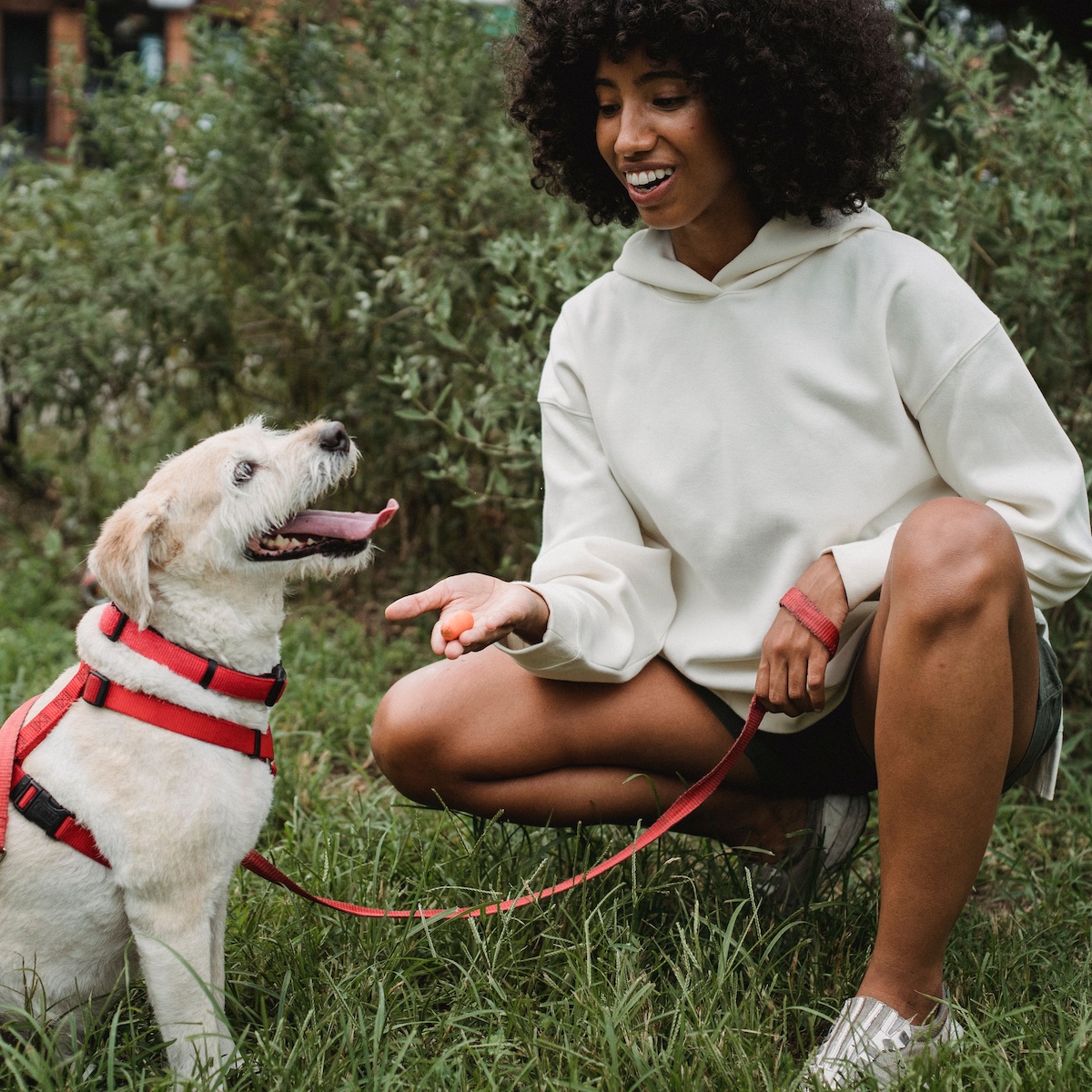
Invite interaction instead of forcing it. Sit nearby, turn slightly sideways, and let your dog approach. If your pup steps closer, calmly place a treat on the floor.
Handling can follow the same pattern: touch a shoulder for one second, reward and pause. Increase the duration only while your dog remains relaxed.
For more support with fearful behavior at home, these tips for boosting confidence in anxious dogs offer practical ways to reduce pressure and encourage trust.
Exploring New Environments Safely
Choose a quiet location for your first outing, such as an empty park corner or a calm residential sidewalk. Stay for five minutes and let your dog observe from a comfortable distance.
Sniffing helps because it lets dogs gather information at their own pace.
Bring small treats and reward relaxed behaviors such as checking in with you, sniffing the ground or walking with a loose body.
If your dog stops taking food, pulls toward the exit or remains tense, increase the distance or leave. Try an easier version another day.
Introduce one challenge at a time. A new location combined with crowds, traffic, and unfamiliar dogs can be too much for a shy pup, even if each factor seems manageable on its own.
Confidence grows through repeated experiences that feel safe and achievable.
End a session after a small success, such as your dog stepping onto a cushion or calmly watching a cyclist pass. That positive final moment gives you a clear starting point for the next practice session.