
When Your Bust Size Affects More Than Your Appearance
Bust size can affect how you move, dress, exercise, and feel at the end of a long day.
For some people, those effects are minor. For others, persistent discomfort interferes with work, sleep and everyday activities.
There’s no universal threshold for when a larger bust becomes a health concern.
The practical question is whether your symptoms are frequent, limit your routine, or continue despite reasonable adjustments.
Paying attention to those patterns can help you decide what kind of support to seek.
Contents
Physical Discomfort Can Become A Daily Issue
A larger bust may place added strain on the neck, shoulders and upper back.
Bra straps can leave deep grooves, while moisture and friction beneath the breast fold may cause recurring skin irritation.
Some people also adjust their posture to compensate, which can contribute to muscle fatigue.
Genetics, hormonal shifts, pregnancy, and body-weight changes are among the factors affecting breast size.
Because several factors may be involved, sudden or unexplained changes should be discussed with a health care professional.
Keep a simple symptom record for two weeks. Note pain levels, irritated skin, headaches, activity limits, and any treatments you try. This gives a clinician useful details beyond a general description of discomfort.
When It May Be Time To Discuss Treatment
Start with a primary care clinician if pain occurs several days a week, disrupts sleep, or makes routine exercise difficult.
An evaluation can identify other possible causes and may lead to physical therapy, skin treatment, or help finding a more supportive bra.
If conservative measures don’t provide enough relief, a consultation about breast reduction can clarify what the surgery involves, the likely recovery period, and the results that may be realistic for your body.
Ask about scarring, changes in sensation, future breastfeeding, and possible complications. I
nsurance requirements also vary, so request written details about documentation and coverage before scheduling any procedure.
Movement And Exercise May Require Adjustments
High-impact activity can be uncomfortable when breast movement causes pulling or pain.
You may find yourself skipping runs, group classes, or recreational activities even when you enjoy them. That loss of movement can affect fitness and mood over time.
A professionally fitted sports bra with an appropriate support level may help. Replace it when the band stretches, the straps stop holding their position, or the fabric no longer recovers after washing.
For the short term, lower-impact options such as walking, cycling or water exercise can keep you active.
Persistent pain is a reason to seek clinical advice. Exercise should challenge your muscles and cardiovascular system without repeatedly causing breast, shoulder or back pain.
Clothing Fit Can Affect Comfort And Confidence
Standard clothing sizes rarely account for every combination of bust, waist and shoulder measurements.
A shirt that fits across the chest may feel loose elsewhere, while buttons can pull even when the label shows your usual size. This is a garment construction problem, not a personal failing.
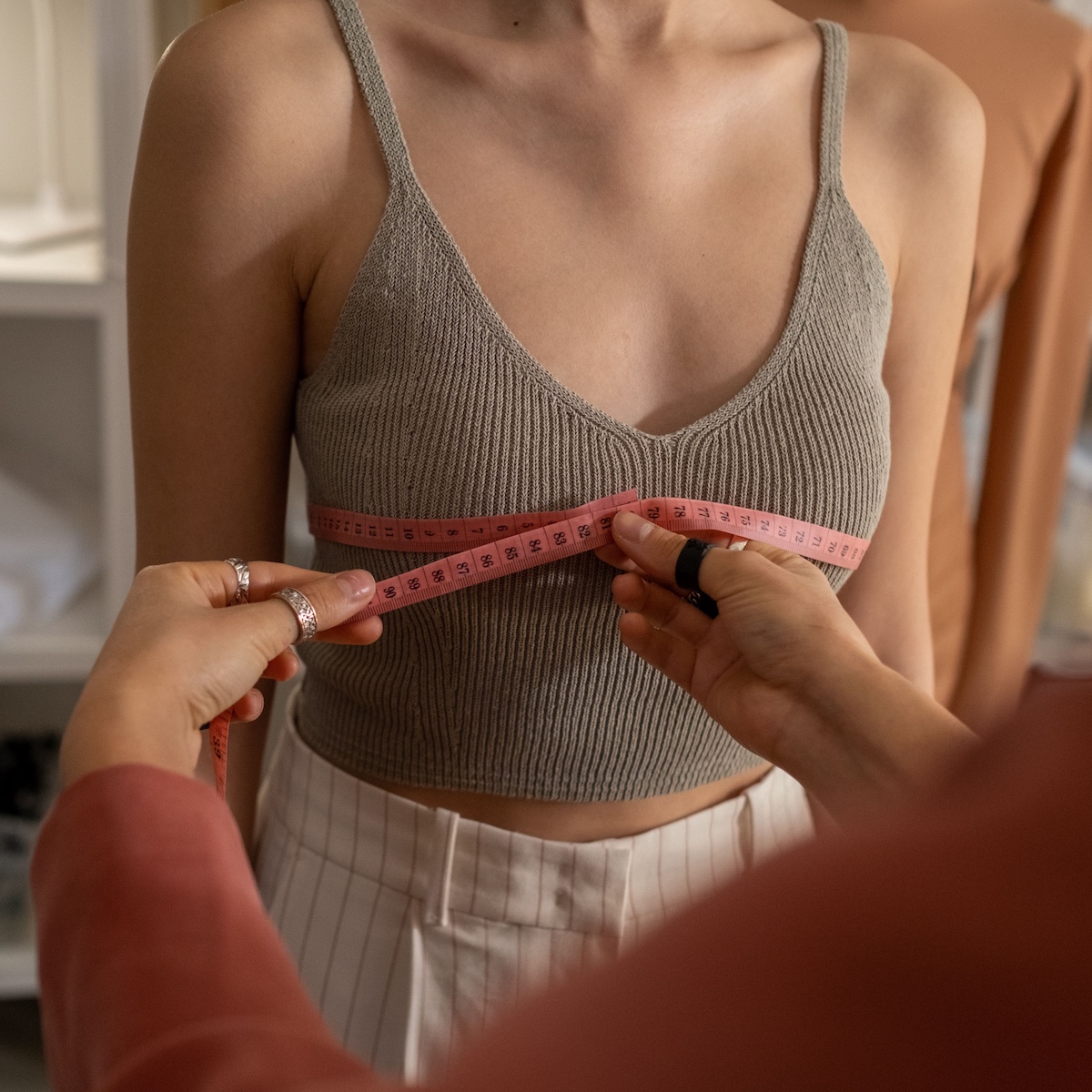
Take current measurements before shopping and use each retailer’s size chart. Stretch fabrics, adjustable straps, and tailoring can also improve fit without requiring an entirely new wardrobe.
Be sceptical of claims about breast size that connect body shape with personality or worth.
Those assumptions can intensify self-consciousness, but they don’t provide meaningful information about your character, health, or abilities.
Build Your Decision Around Your Own Symptoms
Bust size alone doesn’t determine whether treatment is appropriate.
One person may feel comfortable at a given size while another experiences daily pain, limited mobility, and recurring skin problems.
Your symptoms and goals deserve more weight than a number on a measuring tape or someone else’s opinion.
Before a medical appointment, write down when the problem began, what makes it worse, and what you’ve already tried.
Bring questions about non-surgical care, expected outcomes, and recovery demands.
If surgery comes up, choose a board-certified plastic surgeon and ask how often they perform the procedure.
The most useful starting point is a clear record of how your body feels during an ordinary week. Specific details can turn a frustrating concern into a focused conversation about relief.


