Your Guide to Choosing the Best Dog Groomer
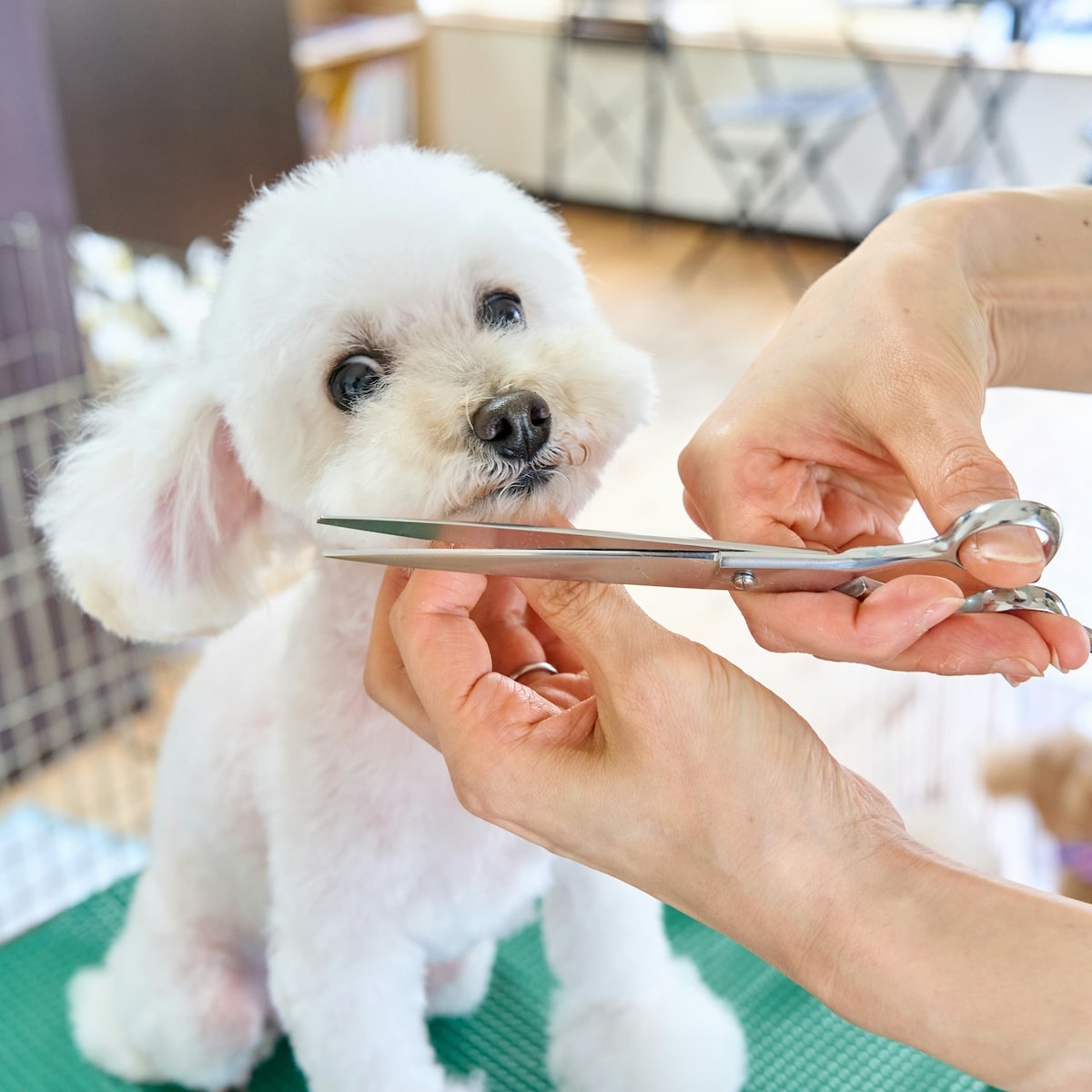
A skilled dog groomer helps keep your pet’s coat, skin, nails and ears in good condition while making each appointment as comfortable as possible.
Since grooming requires close handling and specialized tools, the person you choose should be patient, capable and attentive to your dog’s behavior.
Finding that person takes more than comparing prices or booking the closest salon.
You’ll want to inspect the facility, ask practical questions and consider how your dog responds after a visit.
Use the following steps to evaluate local dog grooming services with confidence.
mments from the past six to twelve months and focus on details. Reports about clear communication, careful handling and consistent results are more useful than a one-line compliment.
One negative review may reflect a misunderstanding. Several recent complaints about the same issue deserve attention.
Recommendations from people who know your dog can also help. Ask your veterinarian, trainer or local pet owners with similar breeds.
If a neighbor’s dog always has a healthy-looking coat and neat nails, find out where the owner books grooming.
Once you have a shortlist, visit each facility if walk-throughs are permitted. Check for secure entrances and barriers that reduce the chance of a dog slipping outside.
Observe the noise level and look at how waiting pets are housed. The salon should also have a clear procedure for identifying each pet and recording service instructions.
Request a written estimate before confirming an appointment. Pricing may vary based on size, coat condition, behavior and the time required.
Ask which circumstances could increase the final bill. Dematting, flea treatment or extra handling time may carry separate fees.
Be cautious when reviews make dramatic promises about every dog loving the experience. Individual reactions vary.
Strong services tend to earn praise for consistency, honesty and respectful care, not guaranteed perfection.
Contents
Mobile Grooming: Convenience at Home
Mobile grooming can work well for dogs that become stressed during car trips or busy salon visits.
A groomer arrives in a specially equipped vehicle and completes the appointment near your home.
Since the groomer usually handles one pet at a time, the setting may be quieter and the total time away from you can be shorter.
Convenience often comes with a higher price because travel time, fuel and vehicle maintenance are built into the service.
Ask whether the provider charges a travel fee, requires access to household utilities or limits appointments to certain neighborhoods.
Confirm where the vehicle can park safely before the scheduled time.
Mobile service isn’t automatically the best fit for every dog. Some pets feel uneasy in a compact space or react to sounds from equipment.
Tell the groomer about noise sensitivity, fear responses and past handling difficulties when you book.
That information helps the provider decide if the setup is appropriate.
General dog grooming advice from the RSPCA stresses introducing grooming activities carefully and using positive rewards.
You can apply that idea before a mobile visit by letting your dog see the vehicle from a comfortable distance and rewarding calm behavior.
Before the groomer begins, verify the agreed services and total estimated cost. Keep your phone nearby during the appointment in case the groomer needs approval for a change.
Building a Trusting Relationship
Consistency helps a groomer learn your dog’s preferences, sensitivities and normal coat condition.
Book with the same person when possible and share useful updates at every appointment.
Mention a recent surgery, new medication, tender area or change in behavior, even if it seems minor.
Give precise instructions without relying on vague terms such as “short” or “tidy.” Show a photo of the result you like and discuss which details are realistic for your dog’s coat.
Confirm the desired length, face shape, ear treatment and tail style before you leave. If you disliked something from the previous appointment, explain it calmly and specifically.
Your dog’s response provides valuable information. Mild tiredness after an appointment can occur, but ongoing distress, unusual soreness or sudden fear of being touched needs attention.
Check the skin, paws and ears once your dog is home.
Contact the groomer promptly if you notice irritation or an unexplained injury, and seek veterinary advice when symptoms are concerning.
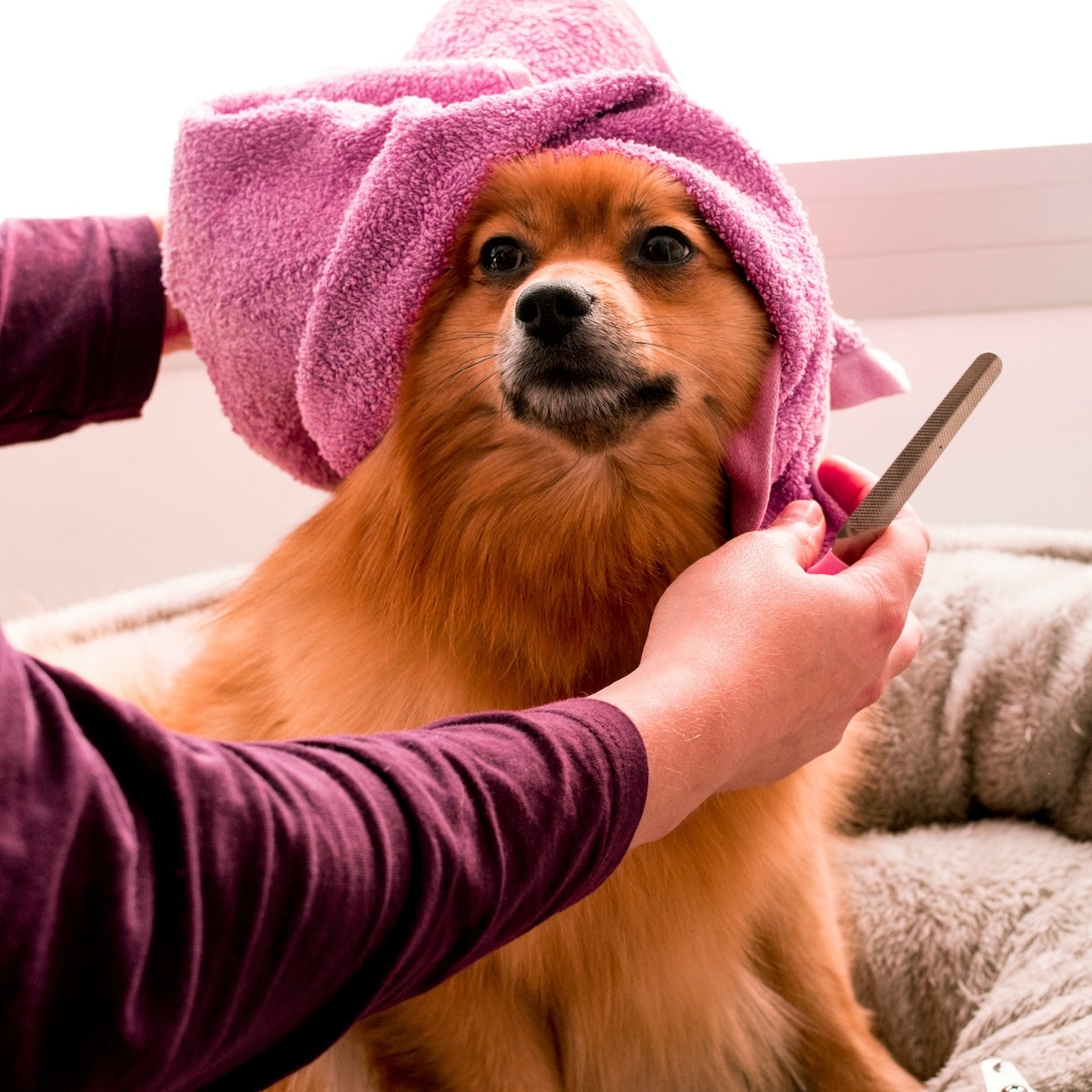
Regular home care can make professional visits easier. Follow the groomer’s recommendations for brushing frequency and suitable tools.
A long or curly coat may need attention several times a week, while nail and ear care schedules depend on the individual dog.
For your next appointment, bring notes about your dog’s needs and allow enough time for a short conversation.
A groomer who remembers those details and responds thoughtfully is more likely to become a reliable long-term partner in your dog’s care.