How to Move Without Stress with Proper Planning
You probably start a move feeling organised. A few boxes. A few lists. Then real life shows up. Suddenly, every cupboard feels heavier than it did yesterday, time disappears, and your patience runs on fumes. Moving doesn’t have to spiral like that. With the right mindset and a few wise choices, it can actually feel manageable. Even… productive.
Contents
The Hidden Reasons Moving Feels Overwhelming
Moving isn’t just physical. It’s mental clutter stacked on emotional clutter. You’re making dozens of tiny decisions at once. What stays.
What goes. What gets packed now versus later. All while still living your normal life.
Another stressor is uncertainty. You don’t always know how long things will take, what might go wrong, or how exhausted you’ll feel at the end of the day.
That constant low-level anxiety drains your energy faster than lifting boxes ever will.
Then there’s attachment. Objects carry memories. Letting go of them, or even just boxing them up, can feel heavier than expected.
When you understand that overwhelm comes from decision fatigue and emotional load, not just the move itself, you can plan around it instead of fighting it.
How the Right Support Saves You Time, Energy, and Patience
Trying to do everything alone is where most moves fall apart. Support doesn’t mean handing over control. It means protecting your time and your headspace.
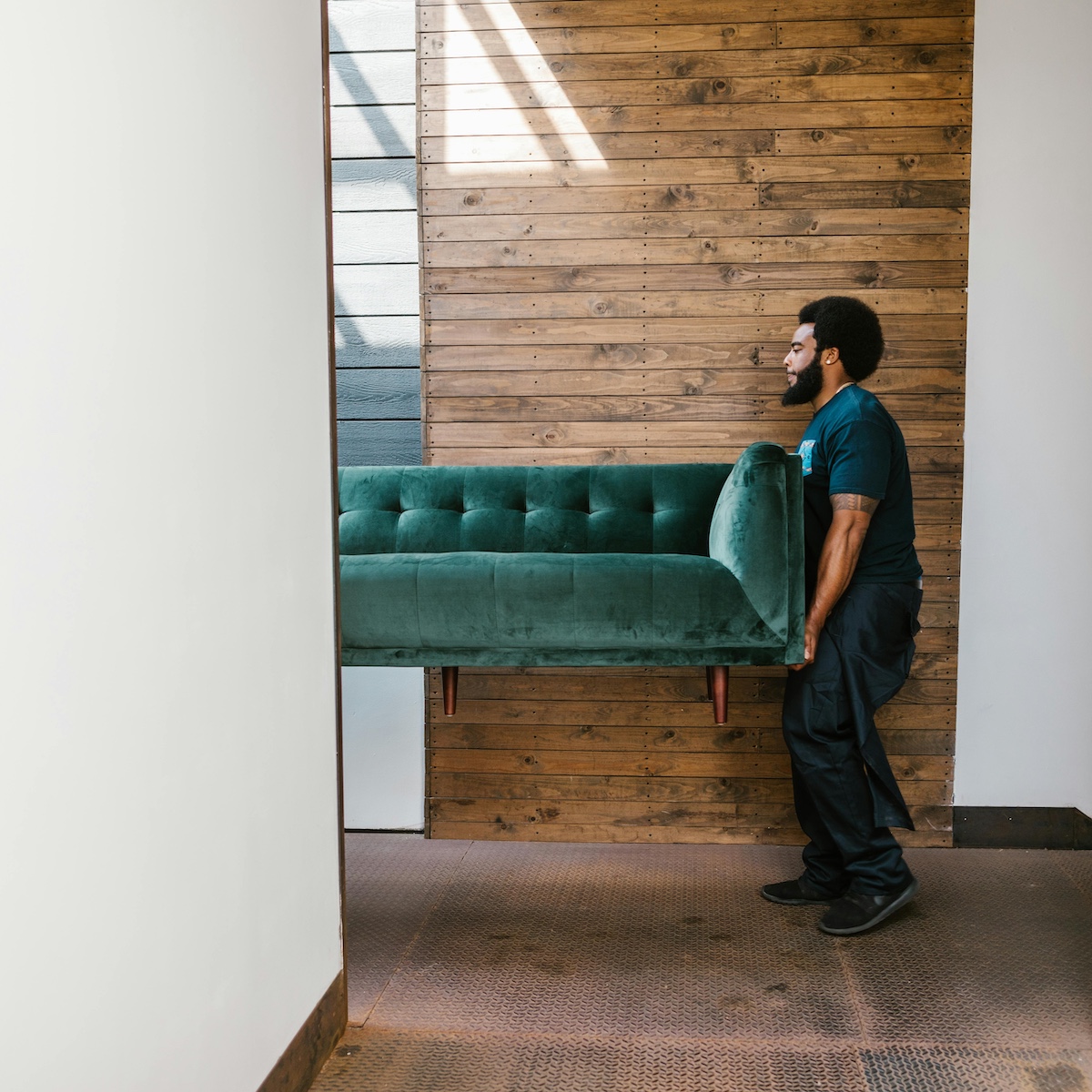
Working with the best moving company you can find isn’t about luxury. It’s about efficiency.
Professionals know how to pack fragile items properly, move heavy furniture without damage, and keep the day running on schedule.
That frees you up to focus on decisions that actually matter.
Support also means simplifying your systems. Colour-coded boxes. Clear labels. A single “open first” box for each room.
These small choices save hours later and prevent that frantic box-hunting phase when you’re already tired.
Pack with Intention, not Urgency
Rushing is the fastest way to create chaos. Instead, pack in layers. Start with what you don’t use weekly. Seasonal clothes. Spare linens. Decor you’ve mentally stopped noticing.
As you pack, ask better questions. Do I use this? Do I like this? Do I want to unpack this into my next space? Packing becomes a filter, not just a task. You arrive with less clutter and more clarity.
Keep essentials separate. Chargers. Documents. A change of clothes. Coffee supplies. When these are easy to access, everything else feels less urgent.
Turning Unpacking Into a Creative Home Refresh
Unpacking doesn’t have to be a chore marathon. Think of it as designing your routines from scratch. Start with the rooms you use most. Kitchen. Bedroom. Bathroom. Function first, perfection later.
Try this: unpack one room fully before moving on. Close the door. Give yourself that visual win. Momentum matters.
Use the opportunity to reset habits. Better storage. Fewer duplicates. Clearer surfaces. You’re not recreating your old home. You’re building a better version of it.
Moving will always take effort. But dread? That’s optional. With planning, support, and a little intention, the process becomes something you can handle calmly, step by step.
Reducing Decision Fatigue Before Moving Day
Many of the most stressful moments during a move come from making too many decisions too quickly.
You can reduce this by making some decisions in advance. Set clear packing categories, decide which items are non-negotiable, and create simple rules for what to donate or discard.
When these decisions are made early, packing becomes more mechanical and far less emotional.
This approach preserves your mental energy for moments where flexibility is actually required.
Creating Calm Routines During the Transition
Moves often disrupt normal routines, which adds to the feeling of instability. Keeping a few daily habits intact can ground you during the process.
Simple things like regular meals, consistent sleep times, or a short walk each day provide a sense of continuity.
These routines act as anchors when everything else feels temporary. Stability does not have to disappear just because your surroundings are changing.
Allowing Space for Adjustment After the Move
Settling in takes longer than most people expect, and that is normal. Even when everything is unpacked, your mind still needs time to adjust to a new environment.
Give yourself permission to live imperfectly for a while. Not every room needs to be finished straight away. As familiarity grows, comfort follows.
When you treat adjustment as part of the process rather than a delay, the move feels far more manageable overall.